
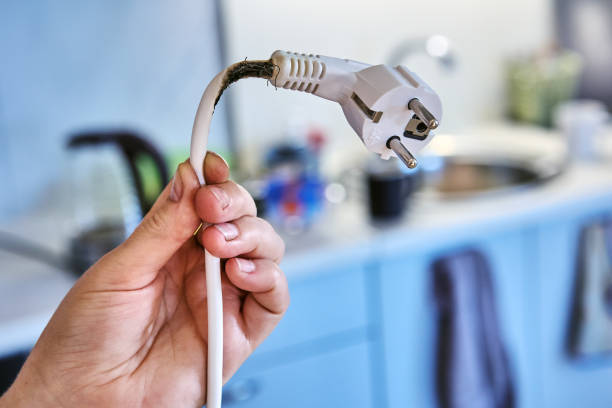
Are you worried about how to take care of the electrical problems that your home is showing up? If yes this guide is completely crafted for someone like you. Electrical problems can be subtle, manifesting as a flickering bulb or a warm outlet. Still, they often point toward specific, fixable causes. Maintenance of the homes in the USA demands for a basic understanding of your household electrical system. While major wiring overhauls should be left to a licensed electrician, many minor issues can be easily resolved with the right knowledge.
This blog post helps you to explore how to identify common electrical hurdles and provides safe do it yourself electrical strategies to keep your home running smoothly.
What Are the Warning Signs of Electrical Issues
Identifying a problem early is the best way to prevent a fire hazard or expensive repair bill. Your home often speaks to you through sound, smell, and temperature.
- Flickering or Dimming Lights: Usually occurs when a high-wattage appliance like a vacuum or microwave starts up, indicating a potential circuit overload.
- Buzzing or Humming: Sounds coming from an outlet or switch often signal a loose wire or a failing internal component.
- Burning Smells: An acrid, ozone-like, or plastic-burning scent is an emergency. It indicates that the insulation is melting due to excessive heat.
- Hot Outlets: Outlets and switches should remain at room temperature. If they feel warm to the touch, there is an electrical resistance issue.
Ways to Troubleshoot Common Household Problems
Before you begin any diy electrical work, the most critical step is safety. Always locate your main service panel and turn off the breaker to the circuit you are inspecting.
1. The Dead Outlet
If a single outlet stops working, it may not be broken. It could be a tripped Ground Fault Circuit Interrupter or GFCI. These are the outlets with Test and Reset buttons, typically found in kitchens and bathrooms.
How To Fix: Press the Reset button. If it pops back out immediately, there is a ground fault power leaking where it shouldn’t or the outlet itself has failed.
2. Frequently Tripping Breakers
A circuit breaker trips to prevent the wires in your walls from overheating. If a breaker trips every time you use a hair dryer, the circuit is likely overloaded.
How to Fix: Move high-draw appliances to a different circuit. If the breaker trips with nothing wrought in, you may have a short circuit that requires a professional.
3. Loose Plug Connections
If a plug falls out of an outlet or feels wobbly, the internal contact fingers have lost their tension. This can cause arcing, which generates significant heat.
How to Fix: Replacing an outlet is a common electric diy task. After turning off the power, unscrew the old outlet, move the wires to the same terminals on a new unit, and secure it back into the wall box.
Troubleshooting at a Glance with Informative Visual Guide
| Symptoms | Primary Causes | DIY Difficulties | Actions |
| Flickering Bulb | Loose bulb or loose fixture wire | Low | Tighten bulb; check wire nuts |
| Tripped GFCI | Moisture or ground fault | Low | Push Reset; keep dry |
| Spark when plugging in | Normal (small) or Short (large) | Medium | Inspect plug for damage |
| Dead Outlet | Tripped breaker or loose terminal | Low | Reset breaker; tighten screws |
What Are the Essential Safety Checklist for Homeowners
When performing any electric handyman tasks, follow these non-negotiable safety rules:
- Test for Power: Use a non-contact voltage tester to confirm the power. It is actually off before touching any wires.
- Match Wattage: Remember not to put a 100W bulb in a fixture rated for 60W. This leads to huge fixture baking, where the heat ultimately destroys the wire insulation.
- Avoid Extension Cords: Use them only for temporary use. Using them for permanent appliances is a leading cause of residential fires.
- Dry Hands Only: Never touch switches or outlets with wet hands, and safeguard the floor is dry before working at the breaker panel.
Know & Understand the Circuit Capacity That Are Preferable in US homes
In most US homes, standard circuits are rated for 15 or 20 Amps. Pushing them beyond this limit trips the breaker.
| Appliance | Average Amp Draw | Circuit Impact |
| Coffee Maker | 9 to 12 Amps | High (Use alone) |
| LED Television | 1 to 2 Amps | Low |
| Space Heater | 12.5 Amps | Very High (Dedicated outlet) |
| Laptop Charger | 0.5 to 1 Amp | Negligible |
You Should Know When to Put Down the Tools
Knowing your limits is a key part of home electrical work. You should stop and call a professional if:
- You need to upgrade your main electrical panel.
- You find aluminum wiring that is common in late 60s/early 70s homes.
- You need to add a new 240V circuit for an electric vehicle or dryer.
- The breaker panel itself is making a loud buzzing or clicking sound.
Taking a do it yourself electrical approach to minor maintenance can save time and money. By keeping your outlets tight, managing your circuit loads, and respecting the grid’s power, you can handle most basic issues safely. For those who prefer to have a professional handle the more technical diy electrical tips and repairs, using the best apps for handyman in USA can help you find vetted, local experts to ensure your home remains up to code and safe for your family.
Frequently Asked Questions (FAQs)
Q1. Is it legal for me to do my own electrical work in the USA?
Ans: In most states, homeowners are legally allowed to perform electrical work on their own primary residence, provided they obtain the necessary permits and have the work inspected by the local building authority. However, some jurisdictions require a licensed electrician for anything beyond changing a light fixture. Always check your local municipal codes.
Q2. Why does my light switch feel warm to the touch?
Ans: A warm switch is usually a sign of a dimmer switch which is normal because they dissipate heat or a standard switch with loose wiring or an internal failure. If a standard on/off switch is hot, it should be replaced immediately as it represents a fire risk.
Q3. What is the difference between a fuse and a circuit breaker?
Ans: There is a difference between using a fuse and also a circuit breaker. Both of them serves the same purpose: to stop the flow of electricity if it becomes dangerous. A fuse melts a metal ribbon and must be replaced once it blows. A circuit breaker is a mechanical switch that flips to the off position and can be reset once the problem is resolved.
Q4. How can I tell if my home has old or dangerous wiring?
Ans: Look for the special Knob and Tube wiring in attics with porcelain insulators or cloth-covered wires. If you see these, or if you have a panel made by Federal Pacific or Zinsco, you should have a safety inspection immediately. And, these are known as fire hazards.