
Electric vehicles (EVs) are more than just a trend; they’re a testament to our commitment to a greener future. As the number of EVs on the road continues to grow, so does the need for convenient home charging solutions. If you’re living in Kansas City and considering installing an EV charger, you’re likely wondering about the costs involved. It might seem like a straightforward process, but several factors come into play that can significantly influence the final price. How much will it really set you back? Let’s dive in and explore the financial landscape of installing an EV charger in Kansas City.
Have you ever wondered what goes into the cost of installing an EV charger, and are you ready to uncover the hidden factors that might surprise you?
Key Takeaways
- Understanding different types of EV chargers is crucial for making an informed decision
- Installation costs can vary widely based on several factors
- Permits and regulations in Kansas City can impact the timeline and cost
- Rebates and incentives could significantly reduce your expenses
- Professional installation offers peace of mind and compliance with local codes
Understanding the Basics of EV Charging Stations
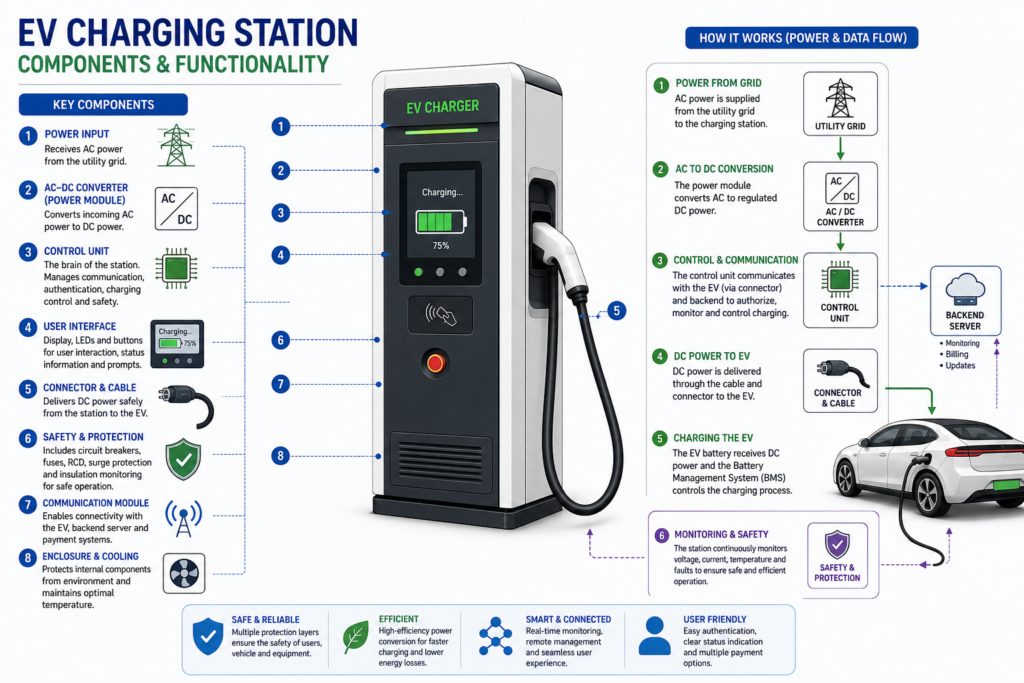
Electric vehicles are the future of personal transport, relying on charging stations to keep their batteries juiced up. Whether you’re a homeowner or a business owner in Kansas City, understanding the basics of EV charging stations is essential to selecting the right one for your needs.
Electric vehicles depend on charging stations, which come in various types: Level 1, Level 2, and DC fast chargers. Each type serves a unique purpose and caters to different charging needs. Level 1 chargers are the most basic, plugging into a standard 120-volt outlet. They offer the slowest charging speed but also come with the lowest installation cost. On the other hand, Level 2 chargers require a 240-volt outlet, providing quicker charging times at a moderate price increase. DC fast chargers, the speed demons of the bunch, offer rapid charging but with a heftier price tag.
In Kansas City, you have the luxury of choosing from a range of options for purchasing EV chargers. Local retailers offer a variety of models that can connect directly to your home’s electrical system, making it easy to find a charger that fits your vehicle’s specific charging requirements. Knowing your electric car’s demands is vital to selecting the right station and ensuring efficient power delivery.
The infrastructure for EV charging is expanding rapidly, and with it, the rate of EV adoption. As more electric cars hit the roads, the demand for efficient and reliable charging solutions increases. This growing trend underscores the importance of understanding your options and making informed decisions about installing a charging station at your home or business.
Types of EV Chargers and Their Installation Costs
When it comes to installing an EV charger at home, understanding the different types of chargers and their associated costs is critical. Each charger has its unique advantages and price points, and knowing these can help you make a financially sound decision.
Level 1 chargers are the most economical option, as they use a standard 120-volt outlet. While their installation cost is relatively low, they offer slower charging speeds, which might not be ideal if you’re constantly on the go. However, if you’re on a tight budget and have the time to let your car charge overnight, a Level 1 charger might be a perfect choice.
Level 2 chargers step up the game by requiring a 240-volt outlet, akin to what you use for a clothes dryer. They offer significantly faster charging times compared to Level 1 chargers, making them a popular choice for many EV owners. The installation cost for a Level 2 charger is higher, but the convenience of quicker charging often outweighs the initial expense.
DC fast chargers are the premium option, delivering rapid charging at a much higher cost. These chargers are typically used in commercial settings or for public charging stations, as their installation can be quite expensive. If you’re looking for the speed and efficiency of a DC fast charger, be prepared for a substantial investment.
The choice of charger type ultimately depends on your budget and charging needs. While Level 1 chargers are the most affordable, Level 2 chargers offer a balance between cost and convenience. DC fast chargers, though costly, provide unmatched speed. It’s crucial to consider your typical driving habits and power needs when selecting a charger type.
Factors Affecting the Cost of EV Charger Installation
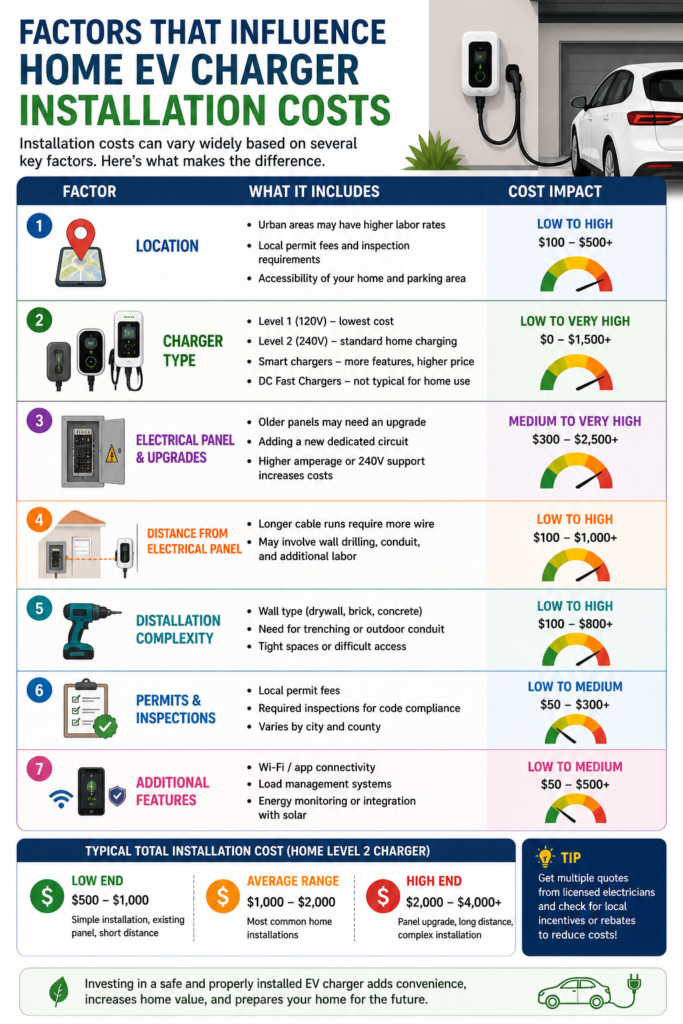
Several factors influence the cost of installing an EV charger, and understanding them can help you budget more accurately. Whether you’re upgrading your home electrical system or navigating local regulations, these elements can significantly impact your expenses.
The type of home electrical system you currently have is a key determinant of installation costs. If your electrical panel doesn’t have sufficient capacity to support a new charger, you might need to invest in an electrical panel upgrade, which can add a considerable amount to your total expenses. The distance from the electrical panel to the installation site also plays a role, as longer distances may require more wiring and labor.
Local labor rates can vary, impacting the overall cost of hiring electricians. It’s wise to get multiple quotes from licensed professionals in Kansas City to ensure you’re getting the best deal. Additionally, permitting fees and city inspections might add to your costs, as compliance with local building codes is non-negotiable.
In some cases, you might need additional electrical upgrades to accommodate your new charger. This could involve upgrading your home’s electrical capacity or adding safety features like surge protection. These factors, while sometimes overlooked, can significantly influence the overall cost of your EV charger installation.
Comparing Home EV Charger Installation Costs in Kansas City
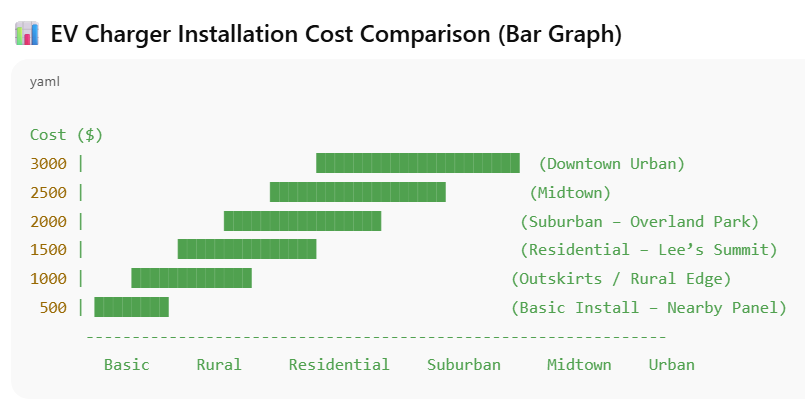
When you’re set on installing a home EV charger in Kansas City, comparing costs is a smart move. By evaluating different options, you can identify the most affordable and appropriate choice for your needs.
Start by considering local electrician rates. Labor costs can vary significantly, and shopping around can help you find a professional who offers quality service at a reasonable price. It’s also worth comparing different charger brands, as some might offer cost-saving features or longer warranties.
Some installers in Kansas City offer package deals that include both equipment and installation. These deals can often be more economical than purchasing the charger and hiring an electrician separately. By understanding local market prices, you can make informed decisions and avoid overspending.
Cost comparisons aren’t just about the bottom line; they’re also about value. Ensure that the charger you choose meets your charging needs and is compatible with your vehicle. A little research can go a long way in securing the best deal and maximizing your investment in a home charging station.
Permits and Regulations for Installing an EV Charger
Installing an EV charger isn’t just about finding the right equipment; it’s also about abiding by local regulations. In Kansas City, compliance with permits and building codes is a crucial part of the installation process.
You’ll need specific permits to install a residential EV charger, ensuring that your setup meets local safety standards. This process might seem like a hassle, but it’s essential for a legal and safe installation. Failing to comply could lead to fines or even having to redo the installation.
City inspections may be required to verify that your installation aligns with local codes. These inspections add to the timeline of your project, so it’s crucial to factor them into your planning. Understanding the permitting process can help you avoid delays and additional fees.
Navigating regulations can be a bit of a maze, but it’s an integral part of installing an EV charger in Kansas City. By following the rules and securing the necessary permits, you can enjoy peace of mind knowing your installation is safe and compliant.
Potential Rebates and Incentives for EV Charger Installation
One of the most exciting aspects of installing an EV charger in Kansas City is the potential for rebates and incentives. These financial aids can significantly reduce your out-of-pocket expenses, making the installation more affordable.
Kansas City offers various incentives to offset the cost of EV charger installations. From state-level programs to local utility rebates, these opportunities can provide substantial savings. Additionally, federal tax credits might apply to your home EV charging station, further lowering the financial burden.
Utility companies often provide rebates for energy-efficient installations, encouraging homeowners to adopt eco-friendly practices. Local programs might offer additional financial assistance for projects that contribute to environmental sustainability.
Researching available incentives is a crucial step in the installation process. By taking advantage of these programs, you can reduce your expenses and make your investment in an EV charger even more worthwhile.
Hiring a Professional for EV Charger Installation

While DIY installations might tempt you with potential savings, hiring a professional to install your EV charger ensures a safe and compliant setup. Certified electricians have the expertise to handle complex electrical systems, navigating the intricacies of your home’s power needs.
Professional installers can efficiently manage permits and inspections, ensuring your project complies with local codes. Their experience in dealing with regulations can save you time and hassle, allowing you to focus on enjoying your new charger.
Recommendations from other EV owners can guide you to reputable installers in Kansas City. Word of mouth is a powerful tool, and finding a trusted professional can provide peace of mind and warranty benefits, protecting your investment in the long run.
DIY vs Professional EV Charger Installation: What to Consider
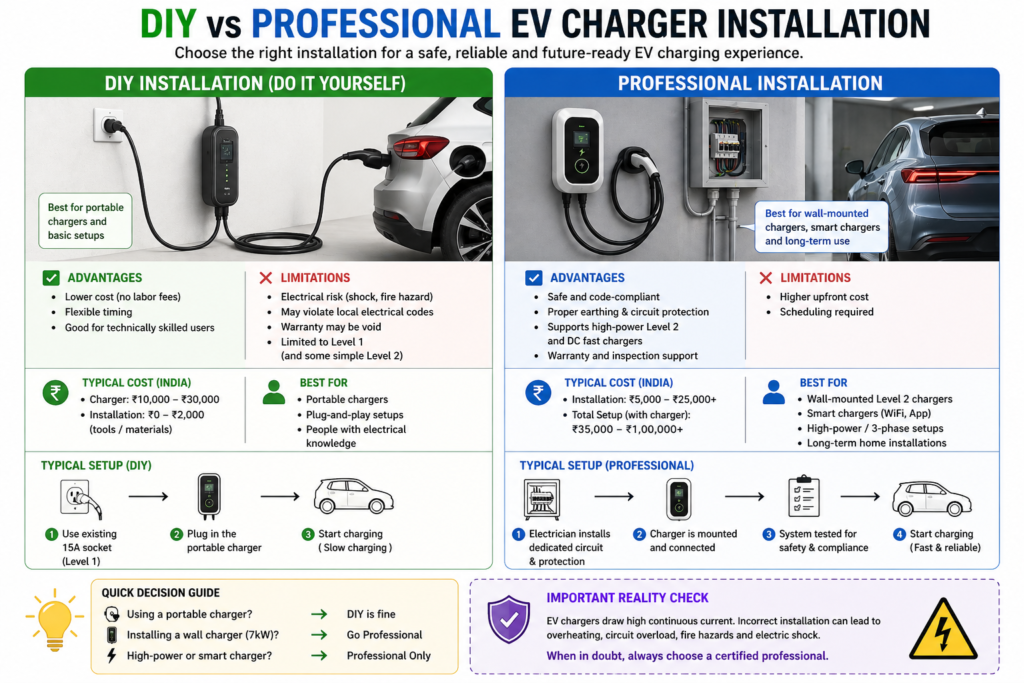
Choosing between a DIY or professional installation for your EV charger is a decision that requires careful consideration. While a DIY approach might save you money, it demands significant electrical knowledge and expertise.
Professional installations offer the assurance of safety and proper functioning, which can be crucial for a reliable setup. The time and complexity of the project should influence your decision, as DIY missteps could lead to costly repairs or even unsafe conditions.
Weighing the costs against potential risks is essential. While DIY might seem appealing, a professional installation ensures compliance with regulations and offers the peace of mind that comes with a job well done.
Additional Costs to Consider for EV Charging Stations
Installing an EV charger might come with additional expenses that you need to consider. These costs, while sometimes unexpected, are an important part of budgeting for your new charging station.
Upgrading your home’s electrical panel could be necessary for some installations, especially if your current setup lacks the capacity to support a new charger. Surge protection can safeguard your investment against electrical damage, ensuring the longevity of your equipment.
Routine maintenance is another factor to consider, as it ensures the efficiency and longevity of your charger. Some systems might come with smart charging features, which could involve additional technology costs.
Future-proofing options, like solar integration, can add to your initial expenses but might offer long-term savings. By planning for these additional costs, you can make informed decisions and secure a reliable and efficient charging solution.
Future-Proofing Your Home with an EV Charger Installation
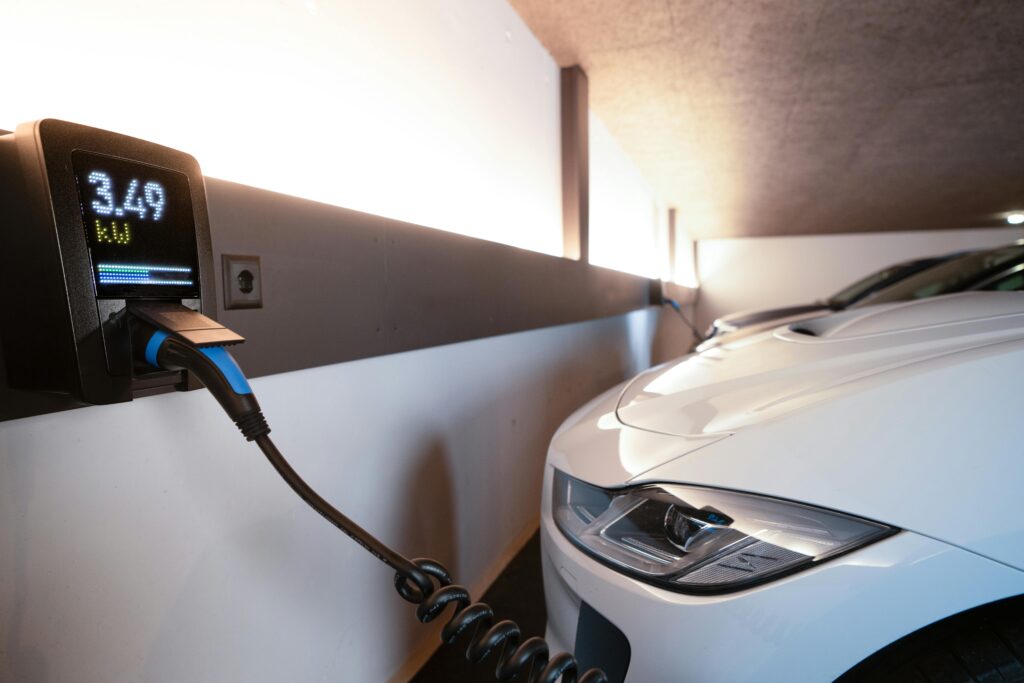
Installing an EV charger isn’t just an investment in your vehicle; it’s an investment in your home’s future. By planning for the long term, you can add resale value to your property and ensure compatibility with future vehicle models.
Considering technology trends helps you select versatile charging solutions that can evolve with your needs. Scalable installations allow for easy upgrades as technology advances, keeping your home aligned with sustainable energy practices.
Future-proofing your home with an EV charger aligns with the growing trend of environmentally conscious living. By planning ahead, you can enjoy the benefits of a reliable and efficient charging solution for years to come.
Conclusion
Installing an EV charger in Kansas City involves a myriad of considerations, from understanding the types of chargers and their costs to navigating local permits and regulations. By carefully evaluating your options and taking advantage of available rebates and incentives, you can make an informed decision that suits your budget and needs. Hiring a professional installer ensures a safe and compliant setup, while considering additional costs and future-proofing options can enhance the value of your investment.
So, are you ready to join the electric revolution and power up your home for the future? What factors will influence your decision to install an EV charger? We’d love to hear your thoughts!
Frequently Asked Questions
How much does it typically cost to install an EV charger?
Installing an EV charger in Kansas City usually costs between $500 and $2,500. The actual price varies based on factors like the type of charger, labor charges, and any necessary electrical upgrades. Level 1 chargers are generally more affordable, while Level 2 chargers, which offer faster charging, tend to be pricier. Don’t forget to consider permit fees and potential upgrades to your electrical panel. Getting multiple quotes can help you find the best deal without compromising on quality or safety.
How much does it cost to have an EV home charger installed?
For a home installation in Kansas City, expect to spend between $1,000 and $2,500 for a Level 2 charger. This includes the charger itself, installation labor, and any electrical work required. Costs can go up if your home needs significant upgrades to support the charger. Level 1 chargers are cheaper but slower, costing around $300 to $600. Always consult a professional to assess your electrical system and determine the most cost-effective solution for your needs.
Is the IRS tax credit for EV charger installation?
Yes, there is a federal tax credit available for installing an EV charger at home. As of now, homeowners can claim up to 30% of the installation cost, capped at $1,000, under the Alternative Fuel Vehicle Refueling Property Credit. This can significantly offset your initial expenses. Make sure to keep your receipts and consult with a tax professional to ensure you meet all eligibility requirements and documentation needs for claiming this credit.
Can a normal electrician install an EV charger?
While a regular electrician can install an EV charger, it’s crucial to hire someone experienced with EV installations. EV chargers require specific knowledge of electrical systems and safety standards. An electrician familiar with these requirements can ensure a safe and efficient installation. They will assess your electrical system, handle necessary upgrades, and secure any required permits. Always check for proper licensing and experience to ensure a smooth installation process.